

Introduction
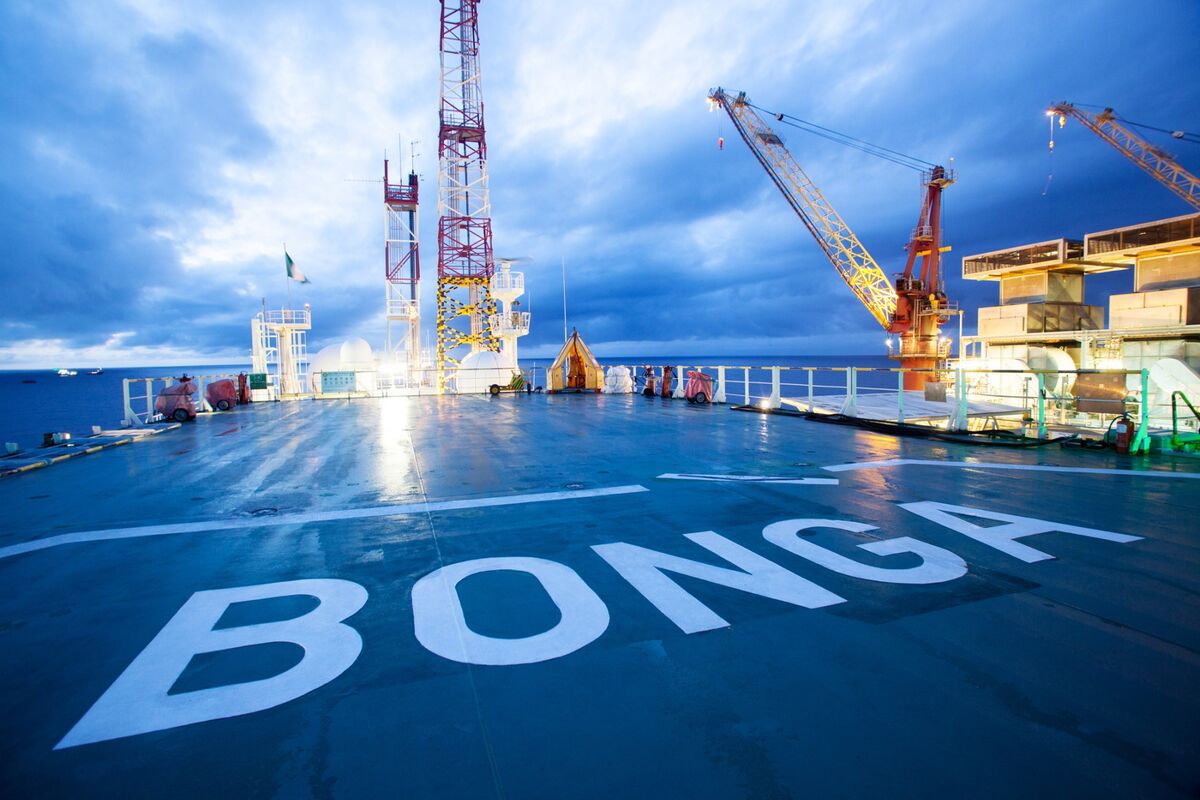
Nigeria, one of Africa’s largest energy producers, is witnessing a transformative phase in its oil and gas sector. At the center of this revolution stands Shell Petroleum Development Company (SPDC) — a global energy giant investing heavily in offshore gas development to strengthen Nigeria’s energy future. With sustainability, innovation, and economic growth at the forefront, Shell’s initiatives are not just about extracting natural gas; they represent a long-term vision of powering industries, communities, and cleaner energy transitions.
The offshore gas development projects being driven by Shell are poised to redefine the energy landscape of West Africa, improving domestic supply, boosting exports, and creating jobs that fuel national growth. Let’s take a closer look at how Shell is shaping Nigeria’s energy destiny through offshore excellence.
Basic Information
| Aspect | Details |
|---|---|
| Project Name | Shell Offshore Gas Development in Nigeria |
| Company | Shell Petroleum Development Company of Nigeria (SPDC) |
| Project Type | Offshore Gas Extraction and Processing |
| Location | Offshore Fields – Niger Delta Basin, Nigeria |
| Key Partners | Nigerian National Petroleum Company Limited (NNPC), TotalEnergies, Agip, and other joint venture partners |
| Production Capacity | Estimated 1.3 billion cubic feet of gas per day |
| Primary Goal | Boost Nigeria’s domestic gas supply and export capacity |
| Technology Used | Deepwater drilling, subsea gas infrastructure, floating production storage units (FPSO) |
| Sustainability Focus | Low-carbon operations, environmental protection, and community development |
| Economic Impact | Job creation, local content development, and infrastructure improvement |
| Start of Operation | Ongoing (Phased development between 2024–2030) |
| Social Media Links | Facebook, Twitter, LinkedIn, Instagram |
Shell’s Role in Nigeria’s Offshore Gas Revolution
For over six decades, Shell has been one of Nigeria’s most influential energy partners. From onshore oil fields in the 1950s to modern offshore gas projects, the company continues to evolve with technology and sustainability. The offshore gas development initiative reflects Shell’s broader ambition: to transition from traditional oil exploration toward cleaner, more efficient, and environmentally responsible energy production.
Shell’s focus lies in deepwater gas exploration, tapping into the vast reserves under the Niger Delta Basin. These offshore operations, often located several kilometers beneath the ocean floor, utilize cutting-edge technology to extract and process gas with minimal environmental footprint.
Why Offshore Gas Development Matters to Nigeria
Nigeria’s economy has historically relied heavily on crude oil exports. However, with the global shift toward cleaner energy, natural gas presents a golden opportunity for diversification and sustainability. Shell’s offshore gas projects directly align with Nigeria’s Decade of Gas initiative, launched by the federal government to prioritize domestic gas utilization.
Gas plays a critical role in Nigeria’s power generation, industrial development, and even transportation sectors. Offshore gas fields, due to their high production capacity and cleaner output, offer a strategic path for energy security. Moreover, gas exports through Liquefied Natural Gas (LNG) help Nigeria strengthen its foreign exchange reserves.
Economic and Social Impact
1. Job Creation and Skills Development
Shell’s offshore projects employ thousands of Nigerians, both directly and indirectly. These projects promote local content development, ensuring Nigerian engineers, technicians, and service providers gain world-class experience in offshore operations.
2. Infrastructure Growth
Massive investments in offshore gas infrastructure also stimulate improvements in ports, pipelines, and processing facilities. Such developments benefit local industries and open opportunities for regional trade.
3. Revenue Generation
Offshore gas development contributes significantly to Nigeria’s GDP through taxes, royalties, and joint venture profits. With increased gas exports, Nigeria strengthens its fiscal position on the global stage.
Technological Innovations Powering the Project
Shell employs some of the most sophisticated offshore technologies, including:
- Subsea Production Systems: These enable extraction from deepwater wells with minimal surface installations.
- Floating Production Storage and Offloading (FPSO) units: Allow gas to be processed and stored offshore before transportation.
- Carbon Management Systems: Designed to reduce emissions through flare minimization and efficient energy use.
These innovations align with Shell’s global net-zero strategy, ensuring that offshore gas operations contribute to Nigeria’s economy without compromising the environment.
Environmental and Sustainability Commitments
Shell’s offshore gas projects prioritize sustainability. The company follows strict environmental guidelines set by both Nigerian and international regulators. Key focus areas include:
- Reducing Gas Flaring: By capturing and utilizing gas that would otherwise be wasted.
- Marine Biodiversity Protection: Implementing monitoring systems to prevent ecological damage.
- Renewable Energy Integration: Supporting hybrid energy models that combine gas and solar power for industrial and community use.
Through these measures, Shell ensures that its activities contribute positively to Nigeria’s green energy agenda.
Partnerships Driving Progress
Collaboration is at the heart of Shell’s success in Nigeria. The company partners with NNPC Limited, TotalEnergies, Agip, and several indigenous oil and gas firms. These partnerships promote knowledge transfer, financial strength, and technical innovation.
Furthermore, Shell actively engages with local communities through corporate social responsibility (CSR) initiatives, focusing on education, healthcare, and economic empowerment programs in the Niger Delta region.
Challenges and the Road Ahead
While offshore gas development brings enormous benefits, it also faces challenges such as regulatory delays, security risks in the Niger Delta, and fluctuating global energy prices. Shell continues to address these through transparent governance, enhanced security partnerships, and adaptive project management.
Looking ahead, Shell’s long-term vision includes expanding Nigeria’s LNG production capacity, integrating carbon capture technology, and supporting renewable energy initiatives that complement natural gas development.
How Shell’s Offshore Gas Development Shapes Nigeria’s Energy Future
Shell’s contribution goes beyond production. By powering industries, enabling clean electricity generation, and fostering innovation, Shell helps Nigeria transition into a sustainable energy economy.
As the demand for cleaner fuels rises globally, Nigeria’s offshore gas reserves stand as a vital resource. With Shell’s leadership, advanced technology, and strong partnerships, the nation can harness this potential responsibly and effectively.
In the coming decade, offshore gas could become the cornerstone of Nigeria’s energy independence, reducing reliance on imported fuels while positioning the country as a key exporter of LNG across Africa and beyond.
Conclusion
Shell’s offshore gas development is not just an industrial milestone — it’s a symbol of Nigeria’s evolving energy future. Through advanced technology, strategic partnerships, and a firm commitment to sustainability, Shell is helping Nigeria unlock its full potential as a global energy leader.
As the world moves toward a low-carbon future, initiatives like Shell’s offshore gas projects demonstrate how innovation and responsibility can go hand-in-hand. The company’s investments continue to empower communities, boost economic growth, and drive Nigeria toward energy resilience — ensuring that the lights of progress never dim across the nation.
