

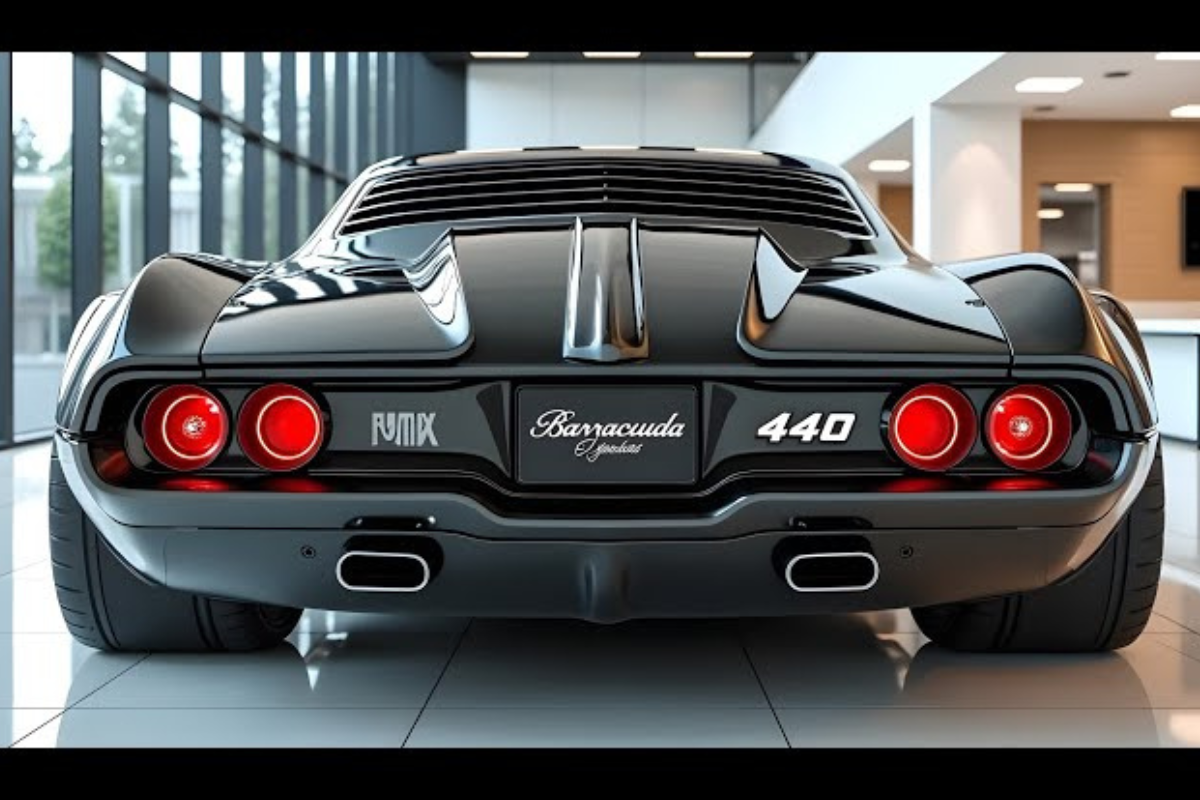
The Plymouth Barracuda 440 is one of those cars that truly defined the muscle car era. With raw power under the hood, aggressive styling, and a reputation for pure American performance, it continues to hold a special place in the hearts of car lovers, collectors, and enthusiasts.
Whether you’re simply curious or seriously considering adding one to your garage, this comprehensive guide will walk you through why the Plymouth Barracuda 440 remains a legendary icon of the 1970s.
Why the Plymouth Barracuda 440 Still Matters Today
During the late 1960s and early 1970s, car manufacturers were locked in a high-stakes race to produce the most powerful street-legal cars. Plymouth, one of the key players in the muscle car wars, responded with a bold move: the Barracuda 440.
By fitting a massive 440-cubic-inch V8 engine into the compact Barracuda body, Plymouth created a car that could dominate straight-line performance while still offering the style and flair muscle car enthusiasts craved. This combination of raw power and sleek design made it an instant standout.
Even decades later, the Barracuda 440 represents one of the most daring and iconic examples of American muscle car engineering. Its reputation has only grown over time, solidifying its place in automotive history.
What You Need to Know About the Plymouth Barracuda 440
The “440” in its name refers to the 440-cubic-inch V8 engine—roughly 7.2 liters—offering serious performance credentials for its era. Here’s a detailed look at the key specs and features that make this car legendary:
Engine: 7.2-liter V8
Horsepower: 375 hp (standard), with some versions rated higher
Torque: Over 480 lb-ft
0 to 60 mph: Approximately 5.5 to 6 seconds
Transmission: 4-speed manual or 3-speed automatic
Years Available: Most notably 1969 and 1970
Trim Levels: Formula S and ‘Cuda models
The 1970 redesign, built on Plymouth’s new E-body platform, allowed the massive engine to fit more comfortably while opening the door to performance upgrades and even more aggressive styling. This redesign helped solidify the Barracuda 440’s reputation as a serious muscle car contender.
Design and Styling
The Plymouth Barracuda 440 carried the classic muscle car aesthetics of the late 60s and early 70s. Its long hood, short deck, and aggressive front grille made it instantly recognizable. The 1970 redesign brought a more aerodynamic shape and sharper lines, enhancing both performance and style.
Optional features included bold stripes, unique decals, and performance-oriented trim packages that made each car feel customized straight from the factory. Today, collectors and enthusiasts seek out these details to verify authenticity and value.
Common Mistakes With Plymouth Barracuda 440 and How to Avoid Them
Buying or restoring a classic like the Barracuda 440 is exciting, but there are several common pitfalls that enthusiasts should avoid:
- Not verifying authenticity: Many lookalikes and clones exist. Always check the VIN, fender tag, and build sheet to ensure it’s a genuine 440 model.
- Ignoring rust issues: Rust is a classic car killer. Inspect the trunk floor, wheel wells, lower fenders, and around the windshield carefully.
- Expecting modern handling: The Barracuda 440 was built for straight-line power, not agile cornering. Respect its vintage driving dynamics.
- Skipping professional inspections: Surface appearances can be deceptive. Always get a trusted mechanic to inspect the car for structural and mechanical issues.
By taking these precautions, you can avoid costly mistakes and enjoy a genuine piece of muscle car history.
Who Should Consider the Plymouth Barracuda 440
The Barracuda 440 isn’t for everyone, but it’s perfect for several types of enthusiasts:
- Classic American muscle lovers: Anyone who appreciates Mopar engineering and vintage performance will be thrilled by the Barracuda 440.
- Collectors: Its rarity, especially in well-restored or matching-number condition, makes it a valuable investment.
- Car show enthusiasts: This car draws attention wherever it goes, with its iconic styling and the deep rumble of its V8 engine.
- DIY restorers: For those who love hands-on projects, restoring a Barracuda 440 can be rewarding—but challenging, as parts may be expensive or difficult to find.
Owning a Barracuda 440 is as much about passion as it is about horsepower.
How the Plymouth Barracuda 440 Changed Muscle Car History
Originally, the Barracuda was considered a sporty compact car rather than a serious muscle car. The introduction of the 440 V8 changed that perception overnight. By offering serious power in a lightweight body, Plymouth positioned the Barracuda as a legitimate competitor to the Dodge Charger, Ford Mustang, and Chevrolet Camaro.
The Barracuda 440 also paved the way for legendary variants, including the HEMI ‘Cuda, which remains one of the most coveted American muscle cars of all time. Its impact extended beyond performance—it solidified Plymouth’s place in the muscle car wars of the late 60s and early 70s.
Tips to Make the Most of Owning or Restoring a Plymouth Barracuda 440
Owning a Barracuda 440 can be an exciting and rewarding experience. Here are tips to maximize your enjoyment and preserve value:
- Keep thorough documentation: Build sheets, VIN info, and restoration records add authenticity and value.
- Use quality reproduction parts: When originals aren’t available, high-quality reproduction parts help maintain performance and aesthetics.
- Join enthusiast communities: Online forums and local clubs provide advice, parts sources, and camaraderie with other owners.
- Protect your investment: Store the car properly, avoid excessive exposure to rain and moisture, and consider collector car insurance.
- Know the rules: If modifying exhausts or other systems, ensure compliance with emissions and registration laws.
Proper care can make your Barracuda 440 a show-stopping car for years to come.
The Driving Experience
Driving a Barracuda 440 is an experience unlike modern cars. Its V8 engine delivers a deep, throaty roar that muscle car enthusiasts live for. The raw power provides exhilarating acceleration, but the steering and suspension require patience and respect. Modern brakes, tires, and minor upgrades can improve safety without diminishing the car’s authenticity.
For weekend cruises, car shows, or straight-line speed runs, the Barracuda 440 delivers a driving experience that’s pure 70s American muscle.
Restoration Considerations
Restoring a Barracuda 440 can be a labor of love. Key considerations include:
- Engine and drivetrain: Ensure all components are rebuilt or inspected for longevity.
- Body and paint: Original colors and trims are highly desirable. Avoid “creative” paint jobs if aiming for authenticity.
- Interior: Seats, dashboards, and gauges should match the original style or be high-quality reproductions.
- Suspension and brakes: Upgrade discreetly if needed for safety while maintaining period-correct aesthetics.
Patience, dedication, and careful sourcing of parts are key to a successful restoration.
FAQs
Q1: How rare is the Plymouth Barracuda 440?
A: Extremely rare, especially in matching-number condition. Original 1970 ‘Cuda versions are among the most collectible.
Q2: What is the top speed of the Barracuda 440?
A: Depending on engine tuning, it can reach around 140–150 mph. However, it’s best enjoyed on straight roads or tracks.
Q3: Can the Barracuda 440 be driven daily?
A: Technically yes, but it’s best suited for occasional drives or weekend cruising due to fuel consumption, handling, and comfort compared to modern cars.
Q4: Are parts hard to find for the Barracuda 440?
A: Some parts are rare or expensive, especially for specific trims, but many aftermarket suppliers offer high-quality reproductions.
Q5: How much does a Barracuda 440 cost today?
A: Prices vary widely depending on condition, originality, and trim. Fully restored matching-number cars can fetch several hundred thousand dollars.
Final Thoughts on the Plymouth Barracuda 440
The Plymouth Barracuda 440 is more than just a muscle car—it’s a symbol of American automotive ingenuity and passion. From its powerful engine to its iconic styling, it represents the best of the muscle car era.
Whether restoring, collecting, or simply admiring from afar, owning a Barracuda 440 is an experience that connects you to the golden age of American cars. Its performance, value, and heritage make it a true icon worth celebrating.
